A therapist could describe fashion’s relationship with China as codependent.
Almost every luxury brand on the planet relies on China’s shoppers to pay their bills, meaning designers are heavily invested in the country. Meanwhile, China’s cheap apparel manufacturing has long allowed foreign brands to produce high-quality, well-made goods at half the price they were before.Even Trump’s trade war hasn’t made much of a dent in China’s role as the beating heart of the apparel manufacturing supply chain. China buys, produces and exports most of the world’s clothing – but somehow, we are still wearing clothes designed in the US, Europe, Japan and even Korea. This begs the question: why are Chinese brands still struggling to find the spotlight?
Most Western consumers would be hard pressed to name a Chinese fashion brand. The gap between “Made in China” and “Created in China” still hasn’t been bridged and Shanghai Fashion Week languishes behind its equivalents in Copenhagen, Seoul, Tblisi and Tokyo. This is partly because there is still a stigma attached to Chinese goods, one that is only slowing lifting.
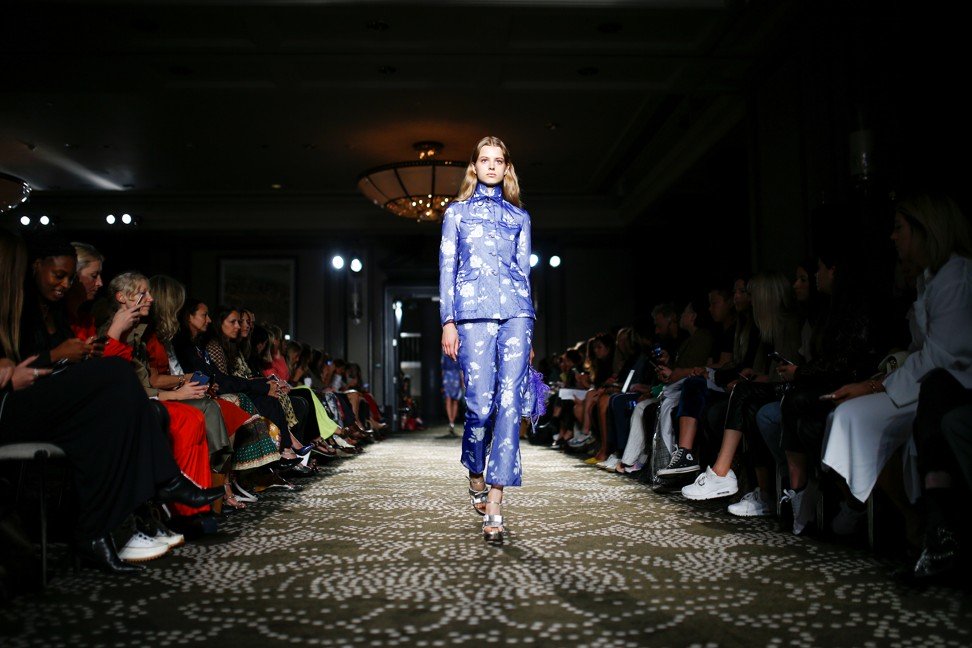
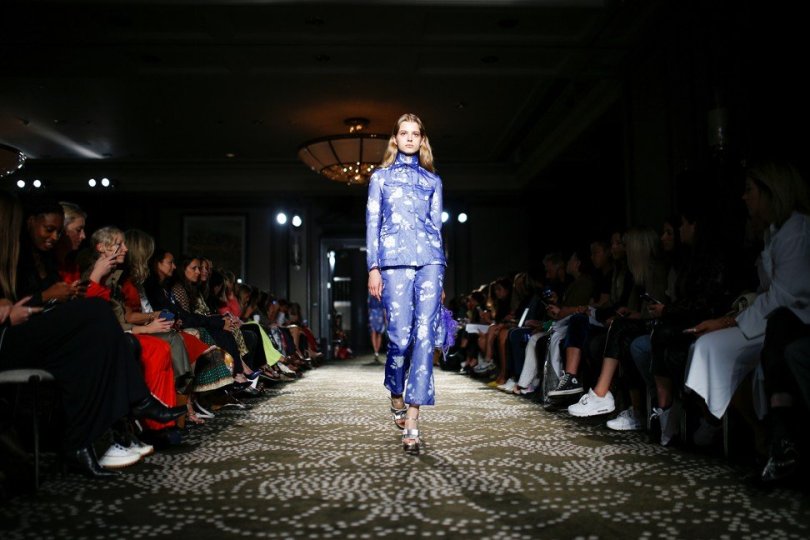
Models present creations during the Huishan Zhang catwalk show at London Fashion Week 2019. Photo: Reuters
Xiaofeng Gu, a fashion marketing expert living between San Francisco and Shanghai, believes the absence of Chinese designers from the global fashion stage comes down to a combination of complacency and high cultural barriers.
“China’s domestic market is so big that many brands are simply not motivated to make a global expansion,” he says. “Marketing to Western audiences is another challenge – I have seen a few shows staged by Chinese fashion brands at major fashion weeks and while they often have amazing artistry and creativity, they lack storytelling. Helping an international audience understand the cultural references and craftsmanship behind your work is the first step toward that success.”
 Steve's Fashion